

While lion’s mane is available in several supplement formats, powdered extracts have become one of the most flexible and widely used options. Lion’s mane powder can be added to coffee, blended into smoothies, or used as part of a daily supplement routine, making it an appealing choice for consumers who prefer versatile ingredients.

As interest in mushroom-based supplements continues to grow worldwide, understanding how lion’s mane powder works—and how to identify a high-quality product—has become increasingly important for both consumers and supplement brands.
Understanding Lion’s Mane Mushroom Powder
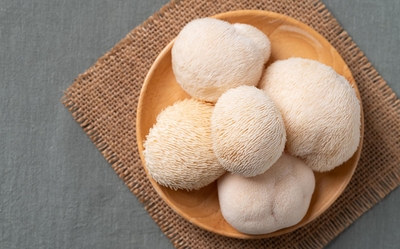
Lion’s mane (Hericium erinaceus) is a distinctive white mushroom traditionally used in East Asian culinary and herbal practices. Its cascading, hair-like structure resembles a lion’s mane, which is where the name originates.
In modern nutraceutical products, lion’s mane is typically processed into concentrated extracts or powders that can be used in capsules, beverages, and functional food formulations.
Powdered lion’s mane supplements are commonly produced by drying and milling the mushroom fruiting body or by creating concentrated extracts that are later converted into powder form. This format allows manufacturers and consumers to use the ingredient in a wide range of applications.
Because it can easily be incorporated into different routines, lion’s mane mushroom powder has become a common ingredient in:
-
functional mushroom blends
-
cognitive wellness supplements
-
daily nutrition beverages
-
powdered drink mixes
Why Lion’s Mane Has Become So Popular
The growing popularity of functional mushrooms reflects a broader shift in the wellness industry. Many consumers are exploring plant-based ingredients that can be integrated into daily routines without requiring complicated supplement schedules.
Lion’s mane has gained attention partly because it fits well within this trend. It is often associated with cognitive support, focus, and general wellness, which makes it appealing for people seeking simple additions to their daily health habits.
At the same time, functional mushrooms have also gained traction among supplement brands developing new product lines. As interest in mushroom extracts grows, ingredients such as lion’s mane are being incorporated into capsules, gummies, powders, and ready-to-mix beverages.
Powdered formats in particular allow for flexibility in product development and personal use.
Common Ways People Use Lion’s Mane Powder
One of the main advantages of lion’s mane powder is its versatility. Unlike capsules that must be swallowed whole, powders can be added to a variety of foods and drinks.
Many people incorporate the powder into their morning routines. A small spoonful can easily be mixed into coffee or tea, where it blends with other ingredients without dramatically changing flavor.
Smoothies are another common option. Powdered mushroom extracts can be combined with fruits, plant-based protein powders, or nut milks to create functional beverage blends.
Some consumers also add lion’s mane powder to oatmeal, yogurt, or nutrition shakes. This flexibility makes powdered supplements appealing for people who prefer customizable nutrition habits.
For brands developing functional food products, powdered lion’s mane extract also provides formulation advantages. It can be incorporated into drink powders, health beverages, and powdered supplement blends without requiring capsule production.
Typical Dosage for Lion’s Mane Powder
Because mushroom supplements can vary widely in concentration and extraction method, recommended amounts of lion’s mane powder may differ from one product to another.
In many commercial supplements, a daily serving of lion’s mane extract typically falls somewhere between 500 mg and 2000 mg. However, the exact amount can depend on several factors, including the concentration of the extract and the formulation used by the manufacturer.

Some powdered products are made from pure mushroom material, while others use concentrated extracts designed to increase the level of certain compounds naturally found in the mushroom.
Consumers generally follow the serving suggestions provided by the product manufacturer. These recommendations are usually based on the strength of the extract and the intended daily intake.
What to Look for in a High-Quality Mushroom Powder
Not all mushroom powders are produced the same way. When evaluating lion’s mane supplements, several factors can influence product quality.
Fruiting Body vs. Mycelium
High-quality mushroom supplements often use the fruiting body of the mushroom rather than mycelium grown on grain substrates. The fruiting body is typically considered the most recognizable and traditional part of the mushroom.
While both forms can appear in supplements, fruiting body extracts are often associated with higher concentrations of naturally occurring compounds.
Extraction Method
Many mushroom supplements use extraction processes to concentrate beneficial compounds. Hot-water extraction and dual-extraction methods are commonly used in the mushroom supplement industry.
Extraction helps make certain components more available in the final product and allows manufacturers to create consistent batches.
Ingredient Transparency
Reliable supplement manufacturers usually provide clear ingredient information and documentation for their products. This may include:
-
raw material sourcing
-
extraction details
-
laboratory testing
Transparency helps ensure consistency and quality across different batches.
Third-Party Testing
Some supplement brands use independent laboratories to verify the composition and purity of their products. Certificates of analysis and quality documentation can provide additional assurance that the product meets quality standards.
Lion’s Mane Powder Compared With Other Supplement Formats
Although lion’s mane powder is popular, it is not the only way this mushroom appears in supplements. Capsules and gummies have also become widely available.
Capsules remain one of the most familiar supplement formats. They provide precise dosing and convenience for consumers who prefer pre-measured servings.
Gummies, on the other hand, are often marketed as more enjoyable alternatives to traditional supplements. Their flavor and chewable format can make them appealing for people who dislike swallowing capsules.
Powders offer a different type of flexibility. Because they can be mixed into drinks and foods, they allow consumers to integrate the ingredient into daily routines in ways that capsules or gummies cannot.
For this reason, many supplement brands develop multiple lion’s mane products to accommodate different consumer preferences.
The Growing Market for Functional Mushroom Supplements
Interest in functional mushrooms has expanded rapidly in recent years. As more consumers explore plant-based wellness ingredients, mushrooms have emerged as one of the fastest-growing categories within the supplement industry.
Lion’s mane is often included alongside other popular mushroom species such as reishi, cordyceps, and chaga in blended formulations.
This broader trend has encouraged supplement companies to experiment with new dosage forms, ingredient combinations, and delivery formats. Powders remain particularly attractive for innovation because they can be easily incorporated into beverages, functional foods, and supplement blends.
As the market continues to evolve, mushroom-based ingredients are expected to remain an important part of the global nutraceutical landscape.
Conclusion
Lion’s mane mushroom powder offers a flexible way to incorporate functional mushroom ingredients into everyday routines. Whether mixed into coffee, blended into smoothies, or used in powdered supplement formulations, it provides a versatile alternative to traditional capsules.
As interest in mushroom-based nutrition continues to expand, understanding how these products are produced—and how to evaluate quality—can help consumers and supplement brands make more informed decisions.
With its adaptability and growing presence in wellness products, lion’s mane powder is likely to remain a key ingredient in the expanding world of functional mushroom supplements.
FAQ
What is lion’s mane powder used for?
Lion’s mane powder is commonly used as a functional mushroom supplement that can be mixed into beverages, smoothies, or nutrition blends as part of a daily wellness routine.
Can lion’s mane powder be added to coffee?
Yes. Many people mix a small amount of lion’s mane mushroom powder into coffee or tea because it dissolves easily and fits naturally into morning routines.
How much lion’s mane powder should you take daily?
Typical supplement servings range from about 500 mg to 2000 mg per day, although the exact amount depends on the concentration and formulation of the product.
Is lion’s mane powder better than capsules?
Both formats can be effective depending on personal preference. Capsules provide convenience and precise dosing, while powders allow for more flexibility in beverages and food preparations.