

While many people are familiar with lion’s mane capsules or powdered extracts, another simple and traditional way to enjoy this mushroom is as tea. Lion’s mane tea offers a gentle, natural way to incorporate functional mushrooms into everyday life without relying on tablets or complex supplement blends.

For people who prefer a warm drink as part of their daily routine, mushroom tea can feel far more approachable than conventional supplements. But what exactly is lion’s mane tea, and how do people prepare it? Understanding the basics can help explain why this simple beverage is becoming increasingly popular.
What Is Lion’s Mane Tea?
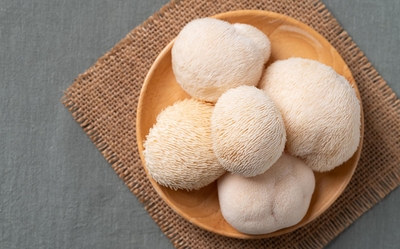
Lion’s mane tea is a warm beverage made from the lion’s mane mushroom, scientifically known as Hericium erinaceus. The mushroom has a distinctive cascading shape that resembles white strands of hair, which is how it earned its memorable name.
In traditional culinary and herbal practices, lion’s mane mushrooms have long been prepared in soups, broths, and teas. When simmered in water, the mushroom releases mild earthy aromas and subtle umami notes, creating a light and soothing drink.
Modern versions of lion’s mane tea may be prepared in several ways. Some people brew tea directly from fresh or dried mushroom pieces, while others use powdered mushroom extracts that dissolve easily into hot water. Either method produces a warm beverage that can be enjoyed on its own or combined with other ingredients such as ginger, honey, or lemon.
Because it fits naturally into everyday habits—especially morning or evening tea routines—lion’s mane tea has become an appealing option for people exploring functional mushrooms for the first time.
Why People Are Drinking Lion’s Mane Mushroom Tea
The growing interest in lion’s mane tea is closely tied to the broader rise of functional mushrooms. As consumers become more curious about plant-based wellness ingredients, mushrooms have emerged as a category that combines traditional knowledge with modern supplement development.
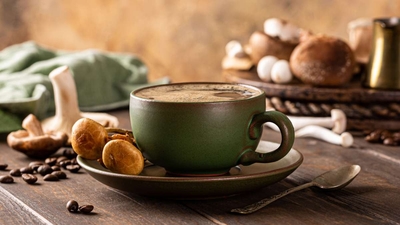
For many people, tea provides a comfortable entry point into this category.
A Familiar and Relaxing Ritual
Unlike capsules or powders that require measuring and mixing, tea is already part of daily life for millions of people around the world. Turning lion’s mane into a tea simply extends an existing routine rather than introducing something entirely new.
Many people enjoy preparing mushroom tea in the morning as a gentle alternative to coffee or as an afternoon beverage during a break from work.
A Natural Approach to Wellness
Another reason for the popularity of mushroom tea is the growing interest in simple, minimally processed ingredients. Brewing tea from mushrooms feels closer to traditional herbal preparations, which can be appealing for individuals seeking a more natural approach to wellness.
While supplements remain widely used, drinks such as mushroom tea provide an alternative that feels less clinical and more connected to everyday habits.
The Rise of Functional Mushroom Beverages
In recent years, beverages containing functional mushrooms have expanded rapidly. Mushroom coffees, adaptogenic drink mixes, and wellness teas have appeared across health stores and online marketplaces.
Lion’s mane tea fits neatly within this trend, offering a straightforward way to enjoy a mushroom-based beverage without complicated preparation.
How to Make Lion’s Mane Tea at Home
One of the reasons lion’s mane tea has become so popular is that it is surprisingly easy to prepare. Depending on the ingredients available, there are several simple methods people use.
Using Fresh Lion’s Mane Mushroom
If fresh lion’s mane mushrooms are available, they can be sliced into small pieces and simmered in water for about 10 to 15 minutes. The process is similar to preparing a mild mushroom broth.
The resulting liquid has a delicate, slightly savory flavor that many people find comforting.
Using Dried Mushroom Pieces
Dried lion’s mane mushrooms are another common option. These can be steeped in hot water in the same way as traditional herbal teas. Allowing the pieces to steep for several minutes helps release their aroma and flavor.
Some people prefer to simmer dried mushrooms gently rather than simply steeping them, as this can produce a fuller flavor.
Using Lion’s Mane Powder
For convenience, many people use powdered lion’s mane extract. A small spoonful of the powder can be stirred into hot water, creating an instant mushroom tea.
Powdered extracts are also easy to blend with other ingredients. Some people combine lion’s mane powder with ginger tea, green tea, or even coffee for a more complex flavor profile.
Can You Put Lion’s Mane Powder in Tea?
Yes, lion’s mane powder can easily be added to tea. In fact, this has become one of the most common ways people prepare the drink today.
Powdered mushroom extracts dissolve more quickly than whole mushroom pieces and make it easy to adjust the serving size. Many people add the powder to hot water, herbal tea, or plant-based milk to create a warm beverage.
Because the flavor of lion’s mane is relatively mild, it pairs well with other ingredients. Some popular additions include:
-
honey
-
lemon
-
ginger
-
cinnamon
These ingredients can complement the natural flavor of the mushroom while creating a more familiar tea-like experience.
What Does Lion’s Mane Tea Taste Like?
For people trying lion’s mane tea for the first time, the flavor is often milder than expected.
Unlike strong culinary mushrooms, lion’s mane has a subtle earthy taste with gentle savory notes. When brewed as tea, the flavor becomes even lighter. Many people describe it as slightly mushroom-like but not overpowering.
When combined with ingredients such as honey or ginger, the drink can become pleasantly aromatic and easy to enjoy.
Because the taste is relatively neutral, lion’s mane tea can also serve as a base for more creative beverage blends.
Lion’s Mane Tea vs Capsules vs Gummies
Lion’s mane supplements are available in several formats today, each offering a different type of convenience.
Capsules remain one of the most widely used options. They provide consistent serving sizes and are easy to take as part of a daily supplement routine.
Gummies have also become increasingly popular, especially among people who prefer chewable supplements over pills. Their flavor and texture make them an approachable option for many users.
Tea offers a different experience. Instead of focusing on convenience alone, it turns the ingredient into a beverage that can be enjoyed slowly. For some people, this ritual is part of the appeal.
Ultimately, the best format depends on personal preference. Some individuals enjoy the routine of preparing tea, while others prefer the simplicity of ready-to-take supplements.
The Growing Interest in Mushroom-Based Beverages
The popularity of lion’s mane tea reflects a larger shift in how people think about supplements. Rather than viewing wellness ingredients only as pills or capsules, many consumers are beginning to incorporate them into everyday foods and drinks.
Functional beverages have become one of the most dynamic areas of the supplement market. From mushroom coffee blends to botanical teas, these products combine nutrition with familiar consumption habits.
Lion’s mane tea represents one of the simplest expressions of this trend—a warm drink made from a single ingredient that has been used in culinary traditions for generations.
Conclusion
Lion’s mane tea offers a simple and approachable way to experience functional mushrooms. Whether brewed from fresh mushrooms, dried pieces, or powdered extracts, it transforms a well-known supplement ingredient into a comforting beverage.
As interest in mushroom-based wellness continues to grow, drinks like lion’s mane tea are likely to remain a popular option for people looking for gentle, everyday ways to incorporate functional ingredients into their routines.
For some, it may become part of a morning ritual. For others, it is simply an enjoyable warm drink. Either way, the growing curiosity surrounding functional mushrooms suggests that lion’s mane tea will continue to attract attention in the years ahead.
FAQ
What is lion’s mane tea used for?
Lion’s mane tea is commonly enjoyed as a warm beverage made from the lion’s mane mushroom. Many people include it in daily wellness routines as part of a broader interest in functional mushrooms.
How do you make lion’s mane mushroom tea?
Lion’s mane tea can be prepared by simmering fresh or dried mushroom pieces in water or by mixing powdered mushroom extract into hot water.
Can you put lion’s mane powder in tea?
Yes. Lion’s mane powder dissolves easily in hot water or herbal tea, making it one of the simplest ways to prepare mushroom tea.
Does lion’s mane tea taste like mushrooms?
The flavor is usually mild and slightly earthy. When combined with ingredients like honey or ginger, the drink becomes more aromatic and balanced.