

What Are BPC 157 Peptide Capsules?
BPC 157 peptide capsules have attracted growing attention because many people want a clearer and more practical way to understand this ingredient before comparing more complicated options like injectable products or liquid formats. For many first-time readers, capsules feel like the most familiar starting point. They look like a standard supplement format, they are easier to compare with other products, and they usually seem more approachable than less common delivery methods.
At the same time, this topic is often surrounded by mixed information. Some articles focus heavily on recovery, healing, and inflammation. Others spend most of their time comparing injectable, oral liquid, and capsule forms without first explaining what BPC 157 peptide capsules actually are. That leaves many readers asking the same questions. What are BPC 157 peptide capsules? Why are they so popular? How do they compare with other forms? Are they considered effective? And what should someone know about legality, risk, and sourcing before making a decision?
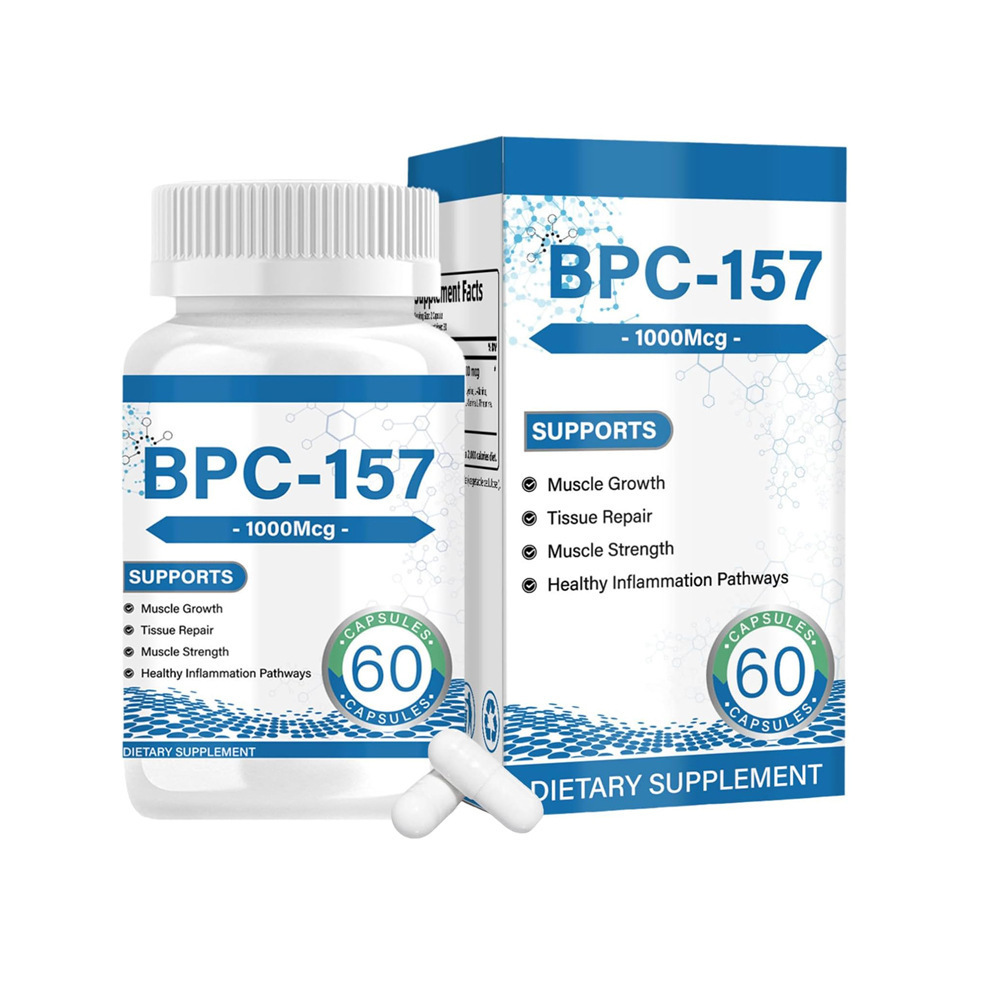
This guide answers those questions in a more direct and organized way. It explains what BPC 157 peptide capsules are, why this format is often searched, how people usually describe the way BPC 157 works, how capsules compare with injectable and oral liquid options, and why quality, labeling, legality, and sourcing deserve just as much attention as convenience.
What Are BPC 157 Peptide Capsules?
BPC 157 peptide capsules are an oral capsule format built around BPC 157, a peptide ingredient that is frequently discussed in recovery and wellness conversations online. When people search for this phrase, they are usually not looking only for a technical definition. In most cases, they want to understand the capsule form specifically and how it fits into the wider discussion around different BPC 157 product types.
In simple terms, the capsule version is one oral delivery format. Instead of taking a liquid solution or looking at injectable products, users see it presented as a capsule or pill-style product taken by mouth. That is one of the biggest reasons why capsule-related searches are so common. Capsules are familiar, simple to recognize, and easier for many people to evaluate when comparing product labels and serving formats.
Another reason the capsule form gets attention is convenience. Many first-time buyers or researchers feel more comfortable with a product that has a clear label, a fixed serving format, and a familiar appearance. Compared with more complex delivery methods, capsules are often easier to store, easier to carry, and easier to fit into a daily routine. That does not automatically make them the best option in every case, but it does explain why so many people start their research with the capsule form.
Why BPC 157 Has Become Popular
BPC 157 has become popular largely because it is often mentioned in discussions related to recovery, healing, injury support, and inflammation. Once an ingredient starts appearing across supplement articles, comparison guides, wellness forums, and product pages, interest can rise very quickly. That is part of what has happened with BPC 157.
Another reason for the growing attention is the range of product forms attached to the ingredient. It is not only discussed as one standard product type. Instead, people often see it compared as an injectable format, an oral liquid, or a capsule product. That naturally leads users to search for the version that feels easiest to understand and most practical to use. For many readers, capsules are the most approachable entry point.
There is also a strong curiosity factor around this keyword. A lot of people searching for BPC 157 peptide capsules are still in the research stage. They are trying to understand what the product is, whether capsule form changes the user experience, and how to judge the difference between convenience, marketing language, and real product transparency. That is why a clear article structure matters here. Readers do not just want hype. They want a usable explanation.
How BPC 157 Works
When people talk about how BPC 157 works, the discussion is usually framed around recovery-related processes. It is commonly described in connection with healing, tissue support, and inflammatory response. That is why these themes appear again and again in articles, product pages, and comparison content.
At the same time, this is where readers need to be careful. A lot of pages use very confident language without giving enough context. Some make the topic sound more settled or more universal than it really is. A more balanced way to explain it is to say that BPC 157 is often discussed in recovery-oriented terms, but readers should still pay close attention to how claims are presented, what information is actually explained, and whether the source appears responsible.
This matters because many people assume that if a product sounds advanced, it must automatically be better or more effective. In reality, delivery form, quality control, labeling clarity, sourcing transparency, and realistic expectations all affect how a product should be evaluated. So while recovery and healing are common themes around BPC 157, careful interpretation remains important.
Form Comparison Overview: BPC 157 Injectable vs Oral vs Capsules
Before deciding whether capsules are the right choice, it helps to step back and look at the main formats people compare. BPC 157 is commonly discussed in three forms: injectable, oral liquid, and capsules. Each format attracts attention for different reasons.
| Form | How It Is Taken | Main Appeal | Main Consideration |
|---|---|---|---|
| Injectable | By injection | Often viewed as more direct | More complex handling and higher caution |
| Oral Liquid | By mouth in liquid form | Flexible format | Taste, storage, and measuring may matter |
| Capsules | By mouth in capsule form | Familiar and convenient | Product quality and label clarity matter |
This comparison matters because many readers jump straight to asking which form is best before they fully understand what each format involves. Injectable products are often seen as more advanced. Oral liquids may appeal to people who want a non-injectable option with more flexibility. Capsules are usually popular because they are simple, portable, and easy to fit into a daily routine.
The right choice is not always about hype. In many cases, it comes down to comfort level, convenience, sourcing confidence, and how easy the product is to evaluate before buying it.
Injectable Form of BPC 157
The injectable form is often the one that gets the most attention in serious comparison discussions. Many people assume it is the strongest or most direct option simply because it is separate from standard oral formats. That perception plays a big role in why injectable products are so often mentioned in BPC 157 content.
However, injectable forms also come with more complexity. They are usually less approachable for first-time readers and raise more questions around handling, sourcing, legality, and overall product confidence. For someone who is only trying to understand the ingredient or compare forms in a practical way, injectable products may feel less accessible than capsules.
That does not mean injectable discussions are unimportant. In fact, they are central to the topic. But the comparison should be handled carefully. A form that sounds more advanced is not automatically the right fit for every reader, especially when convenience, product clarity, and everyday usability also matter.
Oral BPC 157 Liquid Solutions
Oral liquid solutions are another format often included in BPC 157 comparisons. This form usually appeals to people who want an oral option without choosing capsules. In some cases, users see liquid products as more flexible because they do not look or feel like a standard pill format.
That flexibility, however, comes with trade-offs. Liquid products may raise questions about taste, storage, serving consistency, and handling. For some users, that is perfectly acceptable. For others, it can make the product feel less convenient than capsules, especially when daily use and portability are important.
This is one reason why liquid and capsule forms are often compared side by side. Both are oral options, but they offer different experiences. Liquid may seem more adjustable in some cases, while capsules are typically viewed as cleaner, simpler, and easier to manage as part of a routine.
BPC 157 Capsules or Pills
BPC 157 capsules or pills are often the most approachable format for people who want a straightforward oral product. Capsules feel familiar because they match the format many people already know from standard supplements. There is no mixing, no measuring, and usually less uncertainty around how the product is taken.
This simplicity is one of the biggest reasons capsules receive so much attention. They are portable, easy to store, and easy to understand at a glance. For first-time buyers or researchers, that matters. A product that looks familiar often feels easier to evaluate, especially when reading labels, comparing serving sizes, or reviewing the basic product format.
Still, the capsule format should not be judged by convenience alone. Buyers should also look at practical quality signals before trusting a product. Useful points to review include:
- whether the label is clear and easy to understand
- whether the serving information is specific
- whether manufacturing details are transparent
- whether testing information is available
- whether the sourcing appears consistent and credible
A capsule product may look simple on the surface, but the real difference often comes from what sits behind the label. That is why capsule convenience should always be paired with careful evaluation.
Which Form of BPC 157 Is Most Effective?
This is usually the biggest question behind the search. People do not just want to know what BPC 157 peptide capsules are. They want to know whether capsules are the best form, or whether injectable or liquid options are more effective.
The most realistic answer is that there is no universal one-size-fits-all conclusion. Different forms attract different users for different reasons. Some people are drawn to injectable products because they see them as more direct. Others prefer oral liquid because it feels like a middle ground. Many readers prefer capsules because they are easier to use consistently and easier to understand.
In real-world decision making, effectiveness is rarely the only factor. Convenience, product transparency, sourcing, legality, comfort level, and daily usability all influence whether a format feels right for a person. For many first-time researchers, capsules are appealing not because they sound the most aggressive, but because they offer a simpler entry point into the discussion.
That is why the better question is often not which form is universally best, but which form makes the most sense once convenience, risk, clarity, and product confidence are all considered together.
Risks, Legality, and Sourcing Concerns
Any useful article on BPC 157 peptide capsules should address risk, legality, and sourcing concerns clearly. This is one of the most important parts of the topic, yet many pages handle it too briefly.
Legal status can vary depending on the market, regulatory environment, and how a product is positioned. That means readers should not assume the same rules apply everywhere. If someone is researching a product seriously, legality should be checked based on the target country or market rather than guessed from general online discussion.
Sourcing is another major concern. In any category with growing attention, product quality can vary widely. A product may have polished marketing while still offering limited transparency around testing, origin, or manufacturing standards. That is why it is important to look beyond branding and ask practical questions about what is actually known.
Some of the most important concerns include:
- unclear or incomplete labeling
- exaggerated claims
- weak manufacturing transparency
- limited testing information
- unknown or inconsistent sourcing
For many readers, this section ends up being more useful than dramatic claims about performance. A product is easier to trust when the sourcing and product information are clear. Without that, convenience alone is not enough.
How to Evaluate BPC 157 Peptide Capsules Before Choosing One
Before choosing any BPC 157 peptide capsule product, it helps to evaluate it with a simple checklist rather than relying only on marketing language. This is especially important in categories where strong claims can overshadow basic product transparency.
Start with the label. A good product should present its key information clearly. Buyers should be able to understand what the product is, how it is presented, and what the serving format looks like without reading confusing or overly vague wording.
Next, look at transparency. Does the product provide useful manufacturing details? Does it mention testing clearly? Is the sourcing explained in a believable way? A polished product page is not the same thing as a transparent product.
It is also wise to watch for warning signs. These can include dramatic promises, poor labeling, unclear origin, or a lack of basic product detail. If a product sounds impressive but does not explain itself clearly, that is a signal to slow down and review it more carefully.
A simple evaluation process often gives buyers a better result than chasing the boldest claims. In a category like this, clarity usually matters more than aggressive marketing.
Final Verdict: Are BPC 157 Peptide Capsules the Right Form for You?
BPC 157 peptide capsules are often the most approachable form for people who want a simple, familiar, and easy-to-understand product format. Compared with injectable products or liquid solutions, capsules usually feel cleaner, more convenient, and easier to fit into a daily routine. That is a major reason they continue to attract so much attention.
At the same time, the right format is not just about convenience. A better decision comes from looking at the full picture, including product clarity, sourcing, legality, transparency, and overall confidence in the product. Capsules may be the most practical starting point for many readers, but they should still be evaluated carefully.
For most people researching the topic for the first time, capsules are appealing because they reduce complexity. They are easier to compare, easier to understand, and often easier to use consistently. But the smartest choice is not the one with the loudest marketing. It is the one supported by clearer information, better transparency, and more realistic expectations.
Frequently Asked Questions
What are BPC 157 peptide capsules?
BPC 157 peptide capsules are an oral capsule format built around BPC 157. People usually search this term when they want to understand the capsule form specifically and compare it with liquid or injectable options.
How does BPC 157 work?
BPC 157 is commonly discussed in connection with recovery, healing, and inflammation-related topics. However, readers should still approach product claims carefully and look for balanced, well-explained information rather than exaggerated promises.
Are BPC 157 capsules better than injectable forms?
Not automatically. Capsules are often preferred for convenience and simplicity, while injectable forms are often seen as more advanced or more direct. The better option depends on the user’s priorities, comfort level, and how carefully the product is evaluated.
Why are BPC 157 peptide capsules so popular?
They are popular because capsules are easier for many people to understand and compare. They also fit naturally into supplement-style research, especially for users who want an oral format instead of a more complex delivery method.
Is BPC 157 legal?
Legal status can vary depending on the country, market, and regulatory context. Anyone seriously researching a product should check legality based on the specific market involved rather than relying on general assumptions.
What should buyers check before choosing BPC 157 peptide capsules?
Buyers should review label clarity, serving information, sourcing transparency, manufacturing detail, and any available testing information. A product that is easy to understand and transparent is usually more trustworthy than one that relies mainly on aggressive claims.