

Organic beetroot capsules look like an easy product at first. Beetroot powder, vegetarian capsules, a bottle, a label — simple enough.
But in real production, the details can slow a project down quickly. The powder may not fit the serving size you want. The organic certificate may not support the claim on your front label. The color may vary between batches. The capsule may need a different size than your packaging designer expected.
For supplement brands planning a private label product, organic beetroot capsules are still a strong idea. The ingredient is easy for consumers to understand, it works well with clean-label positioning, and it fits several product categories, from sports nutrition to daily wellness. The key is to make the right decisions before bulk production starts.

This guide covers what brands need to check before developing organic beetroot capsules with a supplement manufacturer.
Why Brands Are Looking at Organic Beetroot Capsules
Beetroot has become popular because it sits in a useful space between whole-food nutrition and performance support. It is plant-based, naturally colorful, and often used in products positioned around nitric oxide support, healthy circulation, and exercise performance.
For consumers, capsules are also easier than beetroot juice or powder drinks. There is no mixing, no strong beetroot taste, and no red stain left in a shaker bottle. For daily use, that convenience matters.
The organic angle makes the product feel more premium. It also fits the kind of consumer who reads labels and looks for simple ingredients. For brands selling on Amazon, in health shops, or through wellness channels, organic beetroot capsules can be easier to explain than a formula with too many unfamiliar ingredients.
Still, “organic” is not just a marketing word. If the product will use organic-related claims, the paperwork needs to be checked early. Waiting until label design is finished is a common mistake.
The First Decision: Powder, Extract, or Juice Powder?
Not every beetroot ingredient works the same way. Before asking for a quote, a brand needs to decide what kind of beetroot material fits the product.
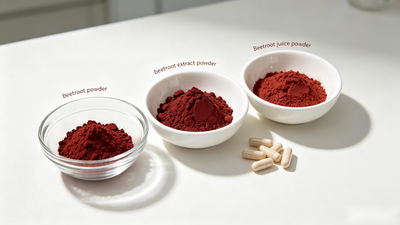
| Raw Material Choice | When It Makes Sense | Production Note |
|---|---|---|
| Organic beetroot powder | Clean-label, whole-food positioning | Often needs more capsules per serving if the brand wants a higher dose |
| Beetroot extract | More concentrated formula positioning | Specification and standardization need to be clear |
| Beetroot juice powder | Sports nutrition or nitric oxide support positioning | Moisture and flowability may need extra attention |
Organic beetroot powder is usually the easiest starting point for a clean-label capsule. Consumers understand it quickly, and the label can stay simple. The trade-off is dosage. A meaningful serving may require multiple capsules, especially if the powder density is low.
Beetroot extract can look stronger on paper, but only when the specification is clear. A buyer needs to know the extract ratio, carrier, active marker if any, and whether the ingredient still matches the brand’s clean-label or organic direction.
Beetroot juice powder can work well for sports nutrition products, especially when the formula is built around nitric oxide support. But it may behave differently from regular beetroot powder during capsule filling. If the powder is fine, sticky, or high in moisture, a trial fill may be useful before confirming bulk production.
This raw material choice affects almost everything after it: capsule size, serving size, finished cost, claim direction, testing, and label design.
Capsule Size, Fill Weight, and Serving Size
This is where many beetroot capsule projects become more complicated than expected.
A brand may want to print “1,500 mg beetroot per serving” on the label. That sounds good for marketing, but the manufacturer still has to check how much powder can actually fit into each capsule.
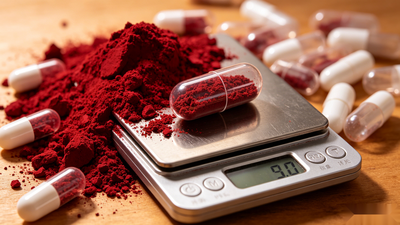
Common capsule sizes such as size 0 and size 00 have limits. Beetroot powder is not always dense enough to deliver a high serving size in one capsule. In some cases, the product may need two, three, or even four capsules per serving.
This decision should happen before the label is designed. Otherwise, the brand may end up with a beautiful label that does not match the real formula.
For clean-label products, HPMC vegetarian capsules are usually a better fit than gelatin capsules. They support vegan and plant-based positioning and match the expectation of many organic supplement buyers. Capsule color also matters. Some brands prefer clear capsules to show the natural beetroot color, while others prefer opaque capsules for a cleaner and more controlled look.
There is no single correct choice. The right capsule depends on the target market, serving size, raw material behavior, and how the brand wants the finished product to look.
Organic Documentation Comes Before Label Design
If the product will be sold as organic, documentation needs to come before artwork.
At minimum, the brand should review the organic certificate for the beetroot raw material, supplier details, batch traceability, and the scope of the organic claim. It is also important to check whether the capsule shell, excipients, processing aids, and packaging process affect the finished product claim.
Using organic beetroot powder does not automatically mean the finished supplement can carry every organic statement the brand wants. The final claim depends on the market, certification route, formula composition, and documentation.
This matters most when the front label will include words such as “organic,” “made with organic beetroot,” or similar claims. A small wording change can make a big compliance difference.
For brands selling into the United States, Europe, or other regulated markets, this review should happen before printing labels or ordering packaging.
Manufacturing Issues Brands Often Miss
Beetroot is not a difficult ingredient to understand, but it does have a few practical production issues.
The first is color. Beetroot powder has a strong red or purple-red color. That can look attractive in capsules, but it can also create red dust during filling and bottling. Production cleaning and packaging control matter more than buyers may expect.
The second is moisture. Botanical powders can absorb humidity, and beetroot powder is no exception. Poor moisture control can affect powder flow, capsule appearance, and shelf stability. For some packaging formats, a desiccant may be worth considering.
The third is flowability. Some beetroot powders flow smoothly, while others are too fine, too light, or slightly sticky. Poor flow can affect capsule weight consistency and filling speed. This is one reason the cheapest raw material is not always the best choice.
The fourth is batch variation. Natural beetroot powder can vary in color, odor, and texture depending on origin, harvest, and processing. A reliable manufacturer should be able to explain what range is normal and what needs to be rejected.
The fifth is lead time. Organic raw materials may take longer to source than standard beetroot powder. If the brand needs a specific organic certificate, origin, or testing standard, the timeline should be confirmed before launch planning.
These details are not exciting marketing points, but they are the details that keep a simple product from becoming a delayed project.
Claims: What You Can Say and What You Should Avoid
Beetroot products are often marketed around nitric oxide, exercise performance, and circulation support. These are useful directions, but the wording needs to stay within supplement claim boundaries.
Safer wording may include:
-
Supports nitric oxide production
-
Supports healthy circulation
-
Supports exercise performance
-
Supports daily endurance
-
Plant-based wellness support
Riskier wording should be avoided, especially disease-related claims such as:
-
Treats high blood pressure
-
Cures circulation problems
-
Prevents heart disease
-
Replaces medication
A stronger claim may look attractive on the label, but it can create regulatory risk and platform review problems. For most supplement brands, clear and supportable wording is better than aggressive language.
The best time to review claims is before formula confirmation and label design. Once packaging is printed, changing wording becomes expensive.
Capsule, Gummy, or Powder: Which Format Makes More Sense?
Beetroot can be made into capsules, gummies, or powder drinks. The right format depends on the brand’s customer and positioning.
Capsules are usually the simplest choice for clean-label daily use. They are easy to take, easy to package, and easier to position as a serious supplement.
Gummies offer better taste and stronger consumer appeal, but beetroot’s natural flavor and color need careful formulation. The sugar or sweetener system also changes the product positioning.
Powder drinks allow a larger serving size and can work well for sports nutrition. But they require flavor development, solubility testing, and a different packaging strategy.
For brands entering the beetroot category for the first time, capsules are often the lowest-friction format. They keep the formula simple and make the product easier to launch.
How to Brief Your Manufacturer Before Quotation
A good quotation starts with a clear product brief. Without that, the manufacturer can only guess, and the quote may change later.
Before requesting a price for organic beetroot capsules, prepare these details:
-
Target market, such as US, EU, UK, Middle East, or Southeast Asia
-
Preferred raw material: organic beetroot powder, extract, or juice powder
-
Target serving size per day
-
Capsule type and capsule count per bottle
-
Organic claim requirement
-
Vegan or non-GMO positioning
-
Testing documents needed
-
Packaging format, such as bottle, pouch, or bulk capsules
-
Label claim direction
-
Expected order quantity or trial batch volume
This information helps the manufacturer check whether the formula is realistic before giving a quote. It also reduces back-and-forth and prevents problems after the label has already been designed.
A low price is not useful if the supplier cannot explain capsule capacity, raw material documents, testing options, or organic claim limitations.
Final Thoughts
Organic beetroot capsules can be a strong private label product for brands focused on clean-label supplements, plant-based wellness, sports nutrition, or daily circulation support.
The product is easy for consumers to understand, but it should not be treated as a simple fill-and-label project. The real work happens before production: choosing the right beetroot material, checking capsule capacity, confirming organic documents, reviewing claims, and planning the right testing.
For most new brands, organic beetroot powder is a practical starting point. For brands that want a more performance-focused formula, beetroot juice powder or a clearly specified extract may make more sense.
If you are comparing beetroot powder, extract, capsule size, or private label packaging options, Jiabei can help review the formula before you move into bulk production.
FAQ
Can I put 1,500 mg beetroot on the label?
Possibly, but it depends on the powder density, capsule size, and number of capsules per serving. Many beetroot capsule products need multiple capsules to reach a higher serving size.
Is organic beetroot powder better than beetroot extract?
Not always. Organic beetroot powder is better for whole-food and clean-label positioning. Beetroot extract may be better for a more concentrated formula, but the specification needs to be clear.
Will beetroot capsules have a strong smell?
They may have a natural earthy beetroot odor. The strength depends on the raw material, capsule type, and packaging. This should be checked during sample review.
Can organic beetroot capsules be made vegan?
Yes. HPMC vegetarian capsules are commonly used for vegan and plant-based supplement products.
What documents should I request before bulk production?
Ask for the raw material COA, organic certificate if applicable, heavy metal testing, microbiological testing, and finished product COA. For some markets, pesticide residue or stability testing may also be needed.
Are beetroot capsules better than beetroot gummies?
Capsules are usually better for a clean and simple supplement formula. Gummies may be better for taste and consumer appeal, but they require more formulation work.