

Most pill capsules are made from gelatin or plant-based materials such as HPMC and pullulan. Gelatin comes from animal collagen, while HPMC and pullulan are commonly used for vegetarian or vegan capsule shells.
Despite their smooth, glossy appearance, edible capsules are not made from ordinary plastic. The shell material is designed to break down after swallowing and release the powder, granules, oil, or other ingredients inside.

The material matters because it can affect dietary suitability, certification, product labeling, and how well the shell works with the formula.
The Main Materials Used for Capsule Shells
The majority of supplement and pharmaceutical capsules use one of three materials.

| Capsule Material | Source | Animal-Free | Common Use |
|---|---|---|---|
| Gelatin | Animal collagen | No | Hard capsules and softgels |
| HPMC | Plant-derived cellulose | Yes | Vegetarian hard capsules |
| Pullulan | Fermentation-derived polysaccharide | Yes | Plant-based hard capsules |
Gelatin
Gelatin remains one of the most widely used capsule materials. It is made by processing collagen from animal tissues, usually from bovine, porcine, or fish sources.
Manufacturers use gelatin because it forms a strong, smooth shell and works well on standard capsule-filling equipment. It can be used for both two-piece hard capsules and one-piece softgels.
The animal source is not always clear from the product label. An ingredient list may simply say “gelatin” without specifying whether it comes from cattle, pigs, or fish.
This distinction matters for consumers who follow vegetarian, Halal, Kosher, or other dietary requirements. Bovine gelatin, for example, is not automatically Halal or Kosher. The source and certification still need to be verified.
HPMC
HPMC stands for hydroxypropyl methylcellulose. It may also appear on a product label as hypromellose or vegetable cellulose.
The material is produced from processed plant cellulose and does not contain animal-derived gelatin. It is now one of the most common choices for vegetarian and vegan hard capsules.
HPMC capsules are widely used for herbal extracts, vitamins, minerals, probiotics, and other powdered supplement formulas. They are also useful when a brand wants to make a clear plant-based or animal-free claim.
A label that says “hypromellose capsule” is generally referring to an HPMC capsule shell.
Pullulan and Other Plant-Based Shells
Pullulan is a polysaccharide made through fermentation. It can form a clear, thin capsule shell and is often used in premium plant-based or clean-label supplements.
Pullulan capsules are less common than gelatin or HPMC capsules and usually cost more. Other plant-based shells may use modified starch, tapioca starch, or blended materials.
These options are not necessarily interchangeable. Their performance can vary depending on the formula, manufacturing process, storage conditions, and packaging.
Are Pill Capsules Made of Plastic?
No. Standard edible capsule shells are not made from conventional plastic.
Capsules can look like plastic because they are smooth, firm, and sometimes transparent. However, gelatin is a protein-based material, while HPMC is derived from cellulose.
Both materials are made to soften, dissolve, or break apart after they come into contact with moisture in the digestive system. They do not behave like the plastics used for bottles, containers, or packaging.
The word “polymer” is sometimes used when describing capsule materials, but that does not mean the shell is made from ordinary synthetic plastic.
What “Vegetable Capsule” on a Label Actually Means
“Vegetable capsule” is a broad label term rather than the name of one specific material.
In many supplements, it refers to an HPMC capsule. In others, the shell may be made from pullulan, modified starch, or a plant-based blend. The only way to know the exact material is to check the full ingredient statement or ask the brand.
It is also important to separate the capsule shell from the complete product.
A plant-based shell does not automatically make the entire supplement vegan. The formula inside may still contain ingredients such as fish oil, bovine collagen, shellfish-derived glucosamine, vitamin D3 from lanolin, or animal-derived processing aids.
The same caution applies to Halal and Kosher claims. A vegetable capsule may remove concerns about the gelatin source, but the active ingredients, excipients, processing methods, and certification status still need to be reviewed.
For brands developing supplements, a supplier’s phrase “vegetable capsule” is not enough on its own. The capsule specification, raw material source, allergen statement, and relevant certificates should be checked before the label is finalized.
Hard Capsules and Softgels Use Different Shell Formulas
Hard capsules and softgels may look similar, but they are built differently.
A hard capsule normally has two pieces: a body and a cap. It is most often filled with powders, granules, pellets, or small tablets. Hard capsule shells are commonly made from gelatin, HPMC, or pullulan.
A softgel is a sealed, one-piece capsule. It is commonly used for oils and liquid-based ingredients such as fish oil, vitamin D, CoQ10, and some botanical extracts.
Traditional softgel shells usually contain gelatin, water, and a plasticizer such as glycerin or sorbitol. The plasticizer gives the shell its flexible texture. Plant-based softgel systems are also available, but they use different material blends and production conditions.
The word “plasticizer” in a softgel formula does not mean the capsule contains plastic. It refers to an ingredient that keeps the shell soft and flexible.
How to Tell Whether a Capsule Contains Gelatin
Start with the ingredient list, especially the section labeled “Other Ingredients.”
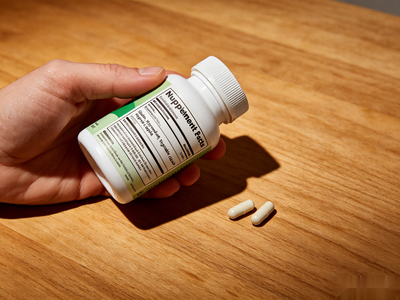
Look for terms such as:
-
Gelatin
-
Bovine gelatin
-
Fish gelatin
-
Hypromellose
-
HPMC
-
Vegetable cellulose
-
Pullulan
-
Vegetable capsule
For example:
Other Ingredients: Hypromellose capsule, rice flour, magnesium stearate.
This indicates that the shell is made from HPMC rather than animal gelatin.
If the label lists only “gelatin,” it may not tell you the animal source. Contact the brand if bovine, porcine, or fish origin is important to you.
Certification symbols can provide additional information, but they should be valid and relevant to the full product. A vegan, Halal, or Kosher logo should not be assumed from the capsule material alone.
Does the Capsule Material Really Matter?
For many consumers, the first consideration is dietary preference. Someone avoiding animal ingredients will usually choose HPMC, pullulan, or another verified plant-based shell.
For supplement brands, the decision also involves formulation and production.
Some ingredients are sensitive to moisture. Others may interact with the shell or require specific storage and packaging conditions. Capsule size, fill weight, shelf life, target market, certification, and label claims can all influence the final choice.
Gelatin is often a practical and economical option. HPMC is widely used for vegetarian and vegan positioning. Pullulan may suit products that need a premium plant-based presentation.
There is no single capsule material that is best for every formula. The shell should be selected alongside the ingredients, dosage, stability requirements, and intended market.
Common Questions
Do all gelatin capsules contain pork?
No. Gelatin capsules may use porcine, bovine, or fish gelatin. If the label does not identify the source, ask the brand or manufacturer.
Does a vegetable capsule mean the supplement is vegan?
Not necessarily. The capsule shell may be plant-based while the ingredients inside still come from animal sources. The complete formula needs to be checked.
Are plant-based capsules harder to swallow?
Capsule material alone does not usually determine how easy a product is to swallow. Capsule size, shape, surface, and the amount of water taken with it can also make a difference.
Conclusion
Most pill capsules are made from gelatin, HPMC, or pullulan. Gelatin comes from animal collagen, while HPMC and pullulan are common plant-based alternatives.