

Understanding how protein supplements are made starts with a distinction that is easy to miss.
The company that turns milk, peas, soybeans, or rice into a protein concentrate or isolate is not always the factory that produces the finished supplement. In most contract-manufacturing projects, the supplement factory receives an already processed protein ingredient. It then develops the formula, adjusts the flavor and texture, blends the batch, checks the finished product, and packs it for sale.
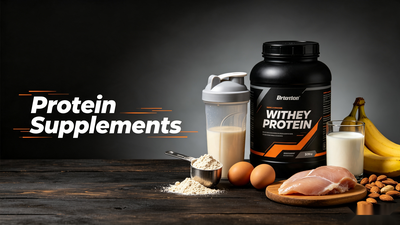
This article focuses on powdered protein supplements rather than protein bars or ready-to-drink beverages.
| Production Stage | Main Work |
|---|---|
| Protein ingredient production | Separation, concentration, isolation, hydrolysis, drying, and standardization |
| Finished supplement manufacturing | Formula development, blending, product checks, filling, and packaging |
Protein Ingredients Are Made Before the Final Supplement
Whey protein does not arrive at a supplement factory as whole milk. Dairy processors first separate and concentrate the protein before drying it into whey concentrate, isolate, or hydrolysate.
Plant proteins follow different routes. Pea, soy, and rice may be milled, separated, extracted, concentrated, and dried. The processing method affects more than the protein percentage. It can also influence color, flavor, particle size, solubility, and texture.
The FAO overview of soy protein processing shows how concentrates and isolates are produced before they are used in finished foods or supplements.
By the time a protein ingredient reaches a contract manufacturer, it should already have a defined specification. The manufacturer still needs to confirm that the material is suitable for the product being developed.
Two pea protein isolates, for example, may carry similar names but behave differently in a shake. One may disperse reasonably well but leave a dry aftertaste. Another may taste cleaner but create more sediment.
That difference becomes important during formulation.
Step 1: Choose and Approve the Protein Base
Whey, casein, and plant proteins do not behave the same way in a finished powder.
Whey concentrate may bring more dairy flavor and lactose than whey isolate. Casein usually produces a thicker drink. Pea protein often has stronger earthy notes and a drier mouthfeel. Rice protein can add grittiness, while a pea-and-rice blend may improve the overall protein profile but make flavor work more complicated.
The supplier specification matters as much as the general protein name.
Before the material is released for use, the manufacturer reviews the lot information, specification, allergen status, packaging condition, and supporting documents. The checks are not identical for every ingredient. Identity, protein content, microbial limits, and moisture are common starting points. Heavy metals or other contaminant checks depend on the ingredient risk and agreed quality plan.
A bag should not move directly from receiving into production simply because it says “whey protein isolate.” The lot number, documents, and packaging still need to match.
Step 2: Develop and Sample the Formula
A chocolate protein powder sounds simple until cocoa, sweetener, lecithin, salt, and possibly a vitamin or enzyme blend are added.
Each ingredient changes the finished drink.
Cocoa can create bitterness. A thickener may improve body but make the powder harder to disperse. Added minerals can produce a chalky texture. Too much sweetener may cover the protein flavor in the first sip but leave a strong aftertaste.
The protein target may still look correct on paper while the actual shake becomes too thick, foamy, gritty, or difficult to finish.
Sampling should reflect how the product will really be used. A vanilla whey formula may taste smooth in milk but become thin and overly sweet in water. A pea-protein blend may seem acceptable at first, then leave an earthy or dry note after several sips.
Mixability also needs to be judged realistically. A powder that performs well in a high-speed blender may still form lumps in a standard shaker bottle.
These issues should be found before printed packaging is ordered.
Step 3: Pre-Blend and Blend the Production Batch
Protein powder manufacturing involves more than loading ingredients into a mixer.
A batch may contain a large amount of protein powder and a very small amount of sweetener, vitamin premix, enzyme blend, or flavor component. Those materials can differ significantly in particle size, density, and flow.
A low-dose ingredient may disappear visually inside the batch while still being unevenly distributed.
For that reason, small-volume materials may first be mixed with a larger amount of carrier or protein powder to create a pre-blend. The pre-blend reduces the concentration difference before it enters the main mixer.
The loading sequence also matters. Dense ingredients may settle, while lighter powders can remain near the top or generate more dust during transfer.
Mixing for longer is not always the answer. A process that initially creates a uniform blend may allow ingredients with different densities to separate again if the powder is handled or mixed incorrectly.
The final process has to be established for the actual equipment and production batch size. A method that works in a small development sample cannot simply be copied into a full production run.
The goal is consistent distribution from the first package filled to the last.
Step 4: Check the Product and Release the Batch
The manufacturer is looking at two different questions before a batch is released.
The first is whether the powder works as a product.
It should have an acceptable flavor, manageable foam, reasonable dispersion, and a texture that matches the intended market. The serving should also fit the scoop and mix with the recommended amount of water or milk without becoming unexpectedly thick.
The second question is whether the batch meets its agreed specification.
Depending on the formula and target market, the review may cover appearance, odor, microbial limits, moisture, selected nutrition values, relevant contaminants, net weight, label accuracy, and packaging condition.
Testing is only one part of release. The quality team also needs to confirm that the correct ingredients, quantities, lot numbers, processing steps, and packaging materials were recorded during production.
A protein powder with added creatine, enzymes, vitamins, or minerals may require a different control plan from a simple unflavored whey product.
Products intended for the United States should be manufactured under applicable FDA dietary supplement CGMP requirements.
Where Protein Powder Projects Commonly Go Wrong
Several common problems begin before the main production batch is blended.
| Problem | What Usually Needs Review |
|---|---|
| Gritty or chalky texture | Protein source, particle size, and added minerals |
| Strong aftertaste | Protein base, flavor system, and sweetener balance |
| Excess foam | Protein type, lecithin, and preparation method |
| Uneven minor ingredients | Pre-blending, loading sequence, and blend control |
| Scoop does not match the serving | Powder density, scoop size, and declared serving |
Adding more flavor does not always solve an unsuitable protein base. A larger scoop may reach the target serving weight but create a portion that does not fit comfortably into a normal shaker bottle.
The formula, serving size, and physical behavior of the powder have to be considered together.
Step 5: Fill and Package the Finished Powder
Protein powder is commonly packed in tubs, stand-up pouches, single-serving sachets, or bulk bags.
The package should be selected before final pricing because powder density affects how much container space is required.
A low-density formula may fill most of a large tub even at a moderate net weight. A denser powder may leave more empty space. Neither situation can be judged accurately from the container size alone.
The scoop also has to match the declared serving. Choosing a scoop only because it fits through the container opening can create inaccurate or inconvenient portions.
Moisture protection and seal quality matter as well. Powder around a sealing surface can weaken the closure, while an unsuitable packaging barrier may allow the product to absorb moisture and form clumps during storage.
Brands considering different product directions can review Jiabei Pharma’s available protein powder products.
What a Brand Should Provide for a Quote
“Chocolate protein powder in a 1 kg tub” is not enough information for an accurate quotation.
A 1 kg chocolate whey product with 24 grams of protein per serving, sucralose, a 32-gram scoop, and standard tub packaging is very different from a low-sugar pea-and-rice blend with creatine, digestive enzymes, and a custom pouch.
Both might initially be described as chocolate protein powder. Their raw-material costs, flavor work, serving volume, testing plan, and production requirements will not be the same.
A useful project brief should identify:
-
The preferred protein source
-
Target protein per serving
-
Serving and scoop size
-
Flavor and sweetness preference
-
Added functional ingredients
-
Target market
-
Packaging format
-
Expected order quantity
-
Required claims or testing
A reference product, draft nutrition panel, or preferred ingredient specification can make the first feasibility review much more accurate.
The Bottom Line
Learning how protein supplements are made requires looking beyond the blending machine.
The ingredient supplier produces the protein concentrate or isolate. The supplement manufacturer turns that material into a product people can mix, drink, and buy again.
That requires more than reaching a protein number on paper. The formula has to taste acceptable, remain consistent across the batch, fit the intended serving, and work with the selected package.
A successful protein supplement has to perform on the production line and in the consumer’s shaker bottle.
Frequently Asked Questions
What happens before the protein ingredient reaches the supplement factory?
A specialist ingredient producer usually processes milk, whey, peas, soy, rice, or another source into a standardized protein concentrate, isolate, or hydrolysate. The contract manufacturer normally receives that processed ingredient and uses it to create the finished supplement.
Why can two powders made from the same protein source taste different?
Supplier specifications, protein concentration, particle size, lecithination, flavor systems, sweeteners, and supporting ingredients can all affect taste, texture, foam, and mixability.